Knowing how to air dry embroidery hoops correctly is an often overlooked but important step in maintaining their quality and longevity. Whether you are working with wooden, plastic, or bamboo hoops, proper drying after cleaning or washing helps prevent warping, mold growth, and damage to the material. This guide explains everything you need to know about air drying embroidery hoops safely and effectively.
Why knowing how to properly air dry embroidery hoop matters
Embroidery hoops are commonly exposed to moisture during cleaning, fabric washing, or even humidity while stitching. If they are not dried properly, several problems can occur.
Wooden hoops may warp or crack when moisture is trapped inside the fibers. Plastic hoops can develop weak joints or lose their tight grip over time if water seeps into the screw mechanism. Bamboo hoops, while more resistant, can still develop mildew if left damp for too long.
Proper knowing how to air dry embroidery hoops ensures that it maintains its shape, remains hygienic, and lasts longer. It also prevents unpleasant odors and keeps your fabric safe from contamination when reused.
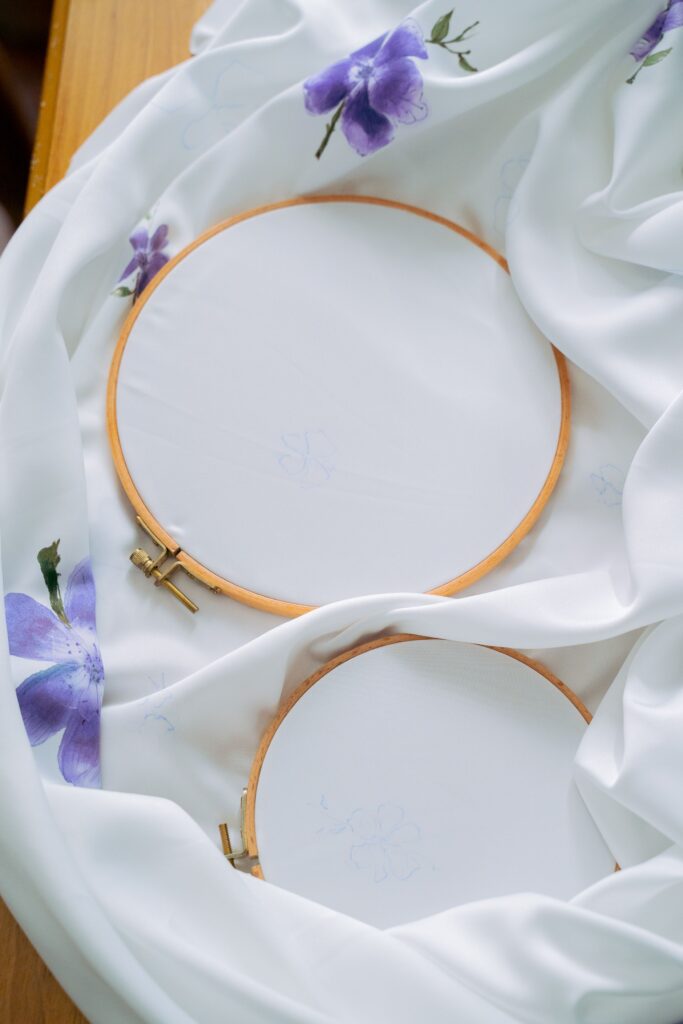
Step-by-Step Guide to Air Dry Embroidery Hoops
Air drying embroidery hoops is a simple process, but doing it correctly makes a significant difference in the outcome. Follow these steps carefully.
Step 1: Wipe Off Excess Water
After cleaning your embroidery hoop, start by removing as much moisture as possible using a clean, dry cloth. Gently wipe both the inner and outer rings. Pay special attention to corners, joints, and screw areas where water tends to collect.
Avoid rubbing too hard, especially on wooden hoops, as this can damage the surface finish.
Step 2: Disassemble the Hoop
If your embroidery hoop is adjustable, loosen the screw and separate the inner and outer rings. This allows air to circulate more freely and speeds up the drying process.
Keeping the parts separated also prevents moisture from being trapped between surfaces, which is one of the main causes of mold and warping.
Step 3: Choose a Proper Drying Location
Place the hoop in a well-ventilated area with good airflow. A shaded outdoor space or a room with open windows is ideal. Avoid placing the hoop in direct sunlight, especially wooden ones, as intense heat can cause cracking or fading.
Do not air dry embroidery hoops in damp or closed spaces like bathrooms or cupboards, as this slows down evaporation and increases the risk of mildew.
Step 4: Position the Hoop Correctly
Lay the hoop flat on a clean, dry towel or hang it vertically using a hook or peg. If laying flat, ensure that both sides are exposed to air by flipping them periodically.
For hanging, make sure the hoop is stable and not under tension. This allows air to circulate evenly around all surfaces.
Step 5: Allow Sufficient Drying Time
Drying time depends on the material and environmental conditions. Wooden and bamboo hoops may take several hours to a full day, while plastic hoops usually dry faster.
Do not rush this step. Even if the surface feels dry, moisture may still be trapped inside joints or screw mechanisms. Allow extra time to ensure complete drying.
Tips for Faster and Safer Air Drying
While the process of knowing how to air dry embroidery hoop may seem straightforward, there are a few ways to make it more efficient without damaging your embroidery hoops.
One helpful tip is to increase airflow in the room by using a fan. Gentle air circulation speeds up evaporation without exposing the hoop to heat damage.
Another tip is to place the hoop on a raised mesh rack instead of a solid surface. This allows air to reach all sides evenly.
You can also periodically rotate or flip the hoop to ensure uniform drying, especially for thicker wooden hoops.
Common Mistakes to Avoid
Many people unintentionally cause damage when they air dry embroidery hoops. Avoiding these mistakes can significantly extend the life of your tools.
One common mistake is using direct heat sources like hair dryers or heaters. High heat can cause wooden hoops to crack and plastic hoops to warp.
Another mistake is leaving the hoop in a closed, humid space. This slows drying and encourages mold growth.
It is also important not to reassemble the hoop while it is still damp, as trapped moisture can lead to long-term damage.
Caring for Embroidery Hoops After Drying
Once you air dry embroidery hoops, proper storage is the next step in maintaining their condition. Store them in a cool, dry place away from direct sunlight and humidity.
You can lightly tighten the screw mechanism after drying to ensure it remains functional. For wooden hoops, occasional conditioning with a small amount of wood-safe oil can help preserve their texture and prevent drying out.
Keeping your hoops clean and dry after every use will reduce maintenance needs and improve their lifespan significantly.
Final Thoughts
Knowing how to air dry embroidery hoops may seem like a small detail in the embroidery process, but it plays a crucial role in maintaining their durability and performance. By following simple steps like wiping excess moisture, ensuring good airflow, and avoiding heat exposure, you can keep your hoops in excellent condition for years.
Taking the time to air dry embroidery hoops properly not only protects your tools but also ensures better results in your embroidery projects.
Leave a Reply